
Introduction: Why Cost Driver Mapping Matters
If you run a company, you know margins make or break your business. Yet, many leaders rely on high-level financial statements that hide the real levers of profitability. Product and services costing systems, when combined with cost driver mapping, expose what’s actually moving your margins.
Think of it as turning on the headlights in a foggy road—you suddenly see where costs come from, how they behave, and which decisions truly affect profitability. For founders, CEOs, CFOs, and senior leaders, mastering this tool is not just about cutting expenses; it’s about building sustainable, scalable margins.
In this guide, we’ll explore:
- The fundamentals of product and service costing.
- How cost driver mapping works.
- Case studies of companies using it to improve profitability.
- Tools and techniques for implementation.
- How AI and analytics supercharge cost tracking.
What Is Product and Services Costing?
At its core, costing systems measure the total expenses associated with producing a product or delivering a service. They provide the data to set prices, evaluate profitability, and guide strategy.
There are three primary approaches:
- Job Order Costing
Used when products or services are customized. For example, a law firm tracks billable hours for each client, assigning costs per case.
- Process Costing
Ideal for mass production, where costs are averaged across units—think of a cement manufacturer or a food processing plant.
- Activity-Based Costing (ABC)
ABC assigns costs based on activities that drive expenses, such as machine setups, logistics, or customer service calls. This is where cost driver mapping becomes powerful, because it reveals what really influences costs.
Why Traditional Costing Isn’t Enough
Standard costing often spreads overhead evenly, masking inefficiencies. Imagine two products: one simple, one complex. If both are assigned equal overhead, the complex one may appear more profitable than it really is.
This creates what consultants call “profit illusions.” Companies chase volume in unprofitable products while underinvesting in winners.
That’s why cost driver mapping—an advanced extension of activity-based costing—has gained traction. It shows the specific levers that consume resources and erode margins.
What Is Cost Driver Mapping?
Cost driver mapping identifies, categorizes, and analyzes the activities that generate costs in your organization. Instead of saying “overhead costs are 20%,” it tells you:
- 40% comes from machine maintenance.
- 25% from customer support.
- 15% from procurement.
- 20% from logistics.
With this clarity, leaders can ask:
- Which costs are strategic investments?
- Which can be optimized or automated?
- Which products or services absorb the most overhead?
In essence, cost driver mapping shows what actually moves your margins—a competitive advantage in industries where every percentage point matters.
Key Categories of Cost Drivers
While each industry differs, most cost drivers fall into these buckets:
- Volume-Driven Costs
Costs rise with the number of units produced—raw materials, packaging, shipping.
- Complexity-Driven Costs
High product variety, frequent design changes, or small batch runs increase setup and admin costs.
- Customer-Driven Costs
Certain clients demand more service, customization, or expedited delivery, eroding profitability.
- Time-Driven Costs
Idle machine hours, employee overtime, or extended project timelines create hidden losses.
- Compliance-Driven Costs
Industries with heavy regulation—finance, healthcare, aviation—incur reporting, certification, and audit expenses.
Real-World Case Studies: Cost Driver Mapping in Action
Case Study 1: Toyota’s Lean Manufacturing
Toyota’s use of activity-based costing and value stream mapping helped reduce waste by identifying “non-value-added” drivers—excess motion, waiting time, overproduction. The result: industry-leading margins and resilience in downturns.
Case Study 2: Professional Services Firm
A consulting firm discovered through cost driver mapping that small clients consumed disproportionate partner hours, reducing profitability. By restructuring service tiers and automating reporting, they improved margins by 18%.
Case Study 3: Consumer Goods Company
A CPG firm realized distribution costs skyrocketed due to servicing too many low-volume retailers. By consolidating deliveries and incentivizing bulk orders, they reduced logistics costs by 22%.
How to Implement Cost Driver Mapping
Step 1: Define Objectives
Decide whether your goal is pricing accuracy, cost reduction, or strategic resource allocation.
Step 2: Identify Activities and Drivers
List all business processes—procurement, production, sales, support—and assign measurable drivers (hours, setups, calls).
Step 3: Collect Data
Leverage ERP systems, time-tracking, and financial records. Ensure data accuracy with periodic audits.
Step 4: Analyze and Map
Visualize drivers using dashboards, heat maps, or Pareto charts. Tools like Tableau, Power BI, or SAP Analytics Cloud are common.
Step 5: Take Action
Use findings to refine pricing models, reduce complexity, automate repetitive tasks, or renegotiate supplier contracts.
Step 6: Monitor Continuously
Implement AI-driven tracking via Google Analytics, Power BI, or brand monitoring platforms. This ensures cost structures adapt as the business scales.
Tools and Certifications That Add Credibility
- Certified Management Accountant (CMA) and Chartered Financial Analyst (CFA) holders often lead cost optimization projects.
- Six Sigma and Lean certifications support process improvement.
- Software leaders include SAP, Oracle NetSuite, QuickBooks Enterprise, and Odoo for small-to-mid firms.
Outbound sources for further reading:
Common Pitfalls to Avoid
- Overcomplication: Tracking too many cost drivers leads to analysis paralysis. Focus on the 20% that impact 80% of costs.
- Static Analysis: Markets change—cost driver maps should evolve quarterly.
- Ignoring Customer Profitability: A large client isn’t always a profitable one if service costs outweigh revenue.
- Underestimating Technology: Manual tracking misses trends AI can uncover instantly.
The Future: AI and Predictive Costing
AI doesn’t just track costs; it predicts them. Imagine knowing that a raw material spike will hit margins two months from now, or that a customer service pattern indicates rising support costs.
Predictive costing enables proactive decisions—locking in supplier contracts, adjusting prices, or reallocating resources before margins erode.
Companies adopting AI-driven cost mapping report 5–10% margin improvements within two years, according to McKinsey research.
Image Optimization Suggestions
- Image 1: “Cost driver mapping framework chart” – alt: cost driver mapping for product and services costing
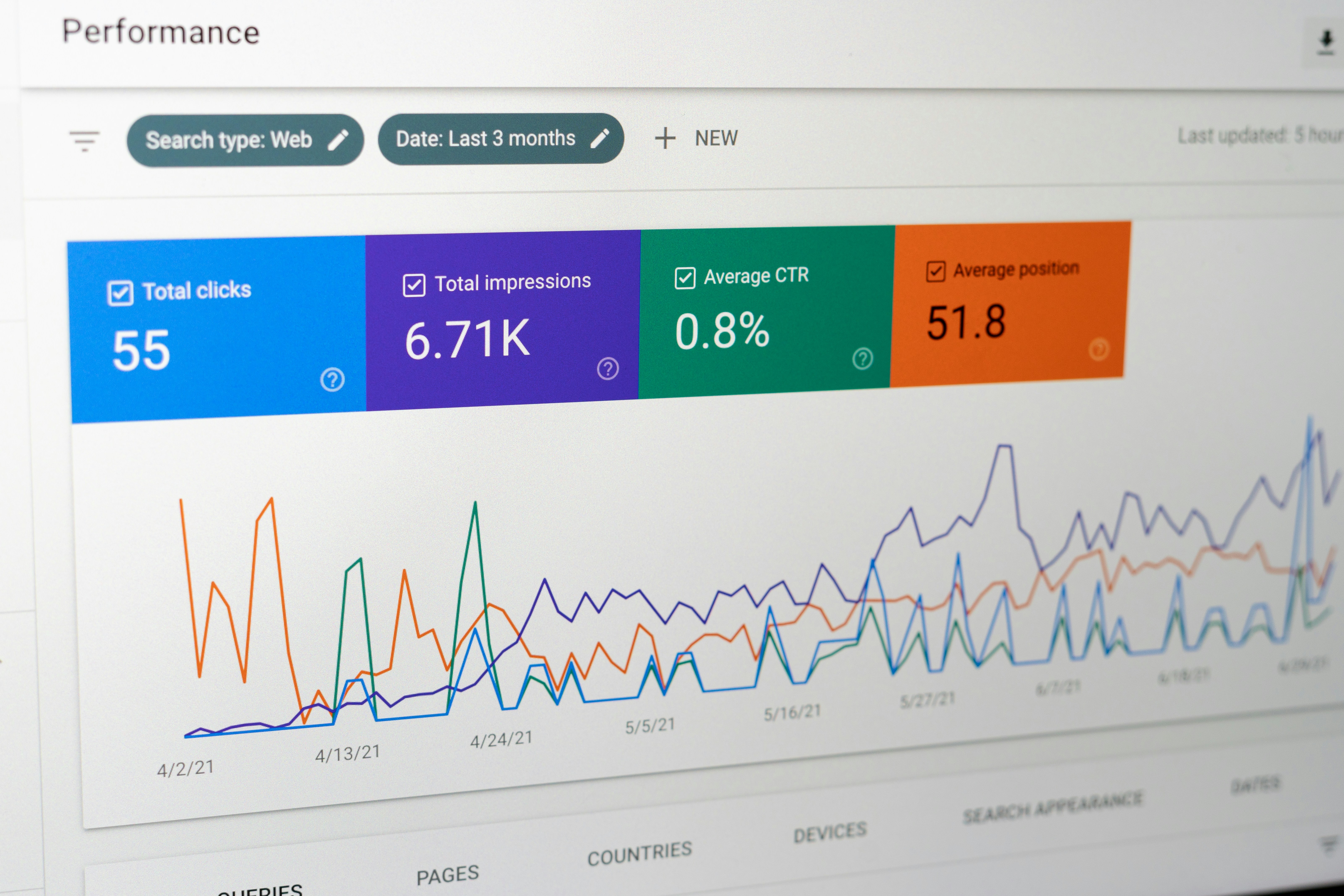
- Image 2: “Business team reviewing financial dashboard” – alt: executives analyzing cost driver mapping for profitability
- Image 3: “AI-driven analytics screen” – alt: AI cost driver mapping to track margins
Conclusion: Turning Cost Insights Into Strategy
Cost driver mapping is more than an accounting exercise—it’s a strategy for leadership. By uncovering what truly drives expenses, companies can shift from reactive cost-cutting to proactive margin building.
In a market where competitors fight for every basis point of margin, the winners will be those who understand their cost drivers deeply and act decisively.
Key Takeaway
Cost driver mapping shows what actually moves your margins. By identifying the true sources of costs—volume, complexity, customers, time, or compliance—you gain visibility to optimize pricing, boost profitability, and scale sustainably. With AI and analytics, this becomes a dynamic, ongoing advantage.